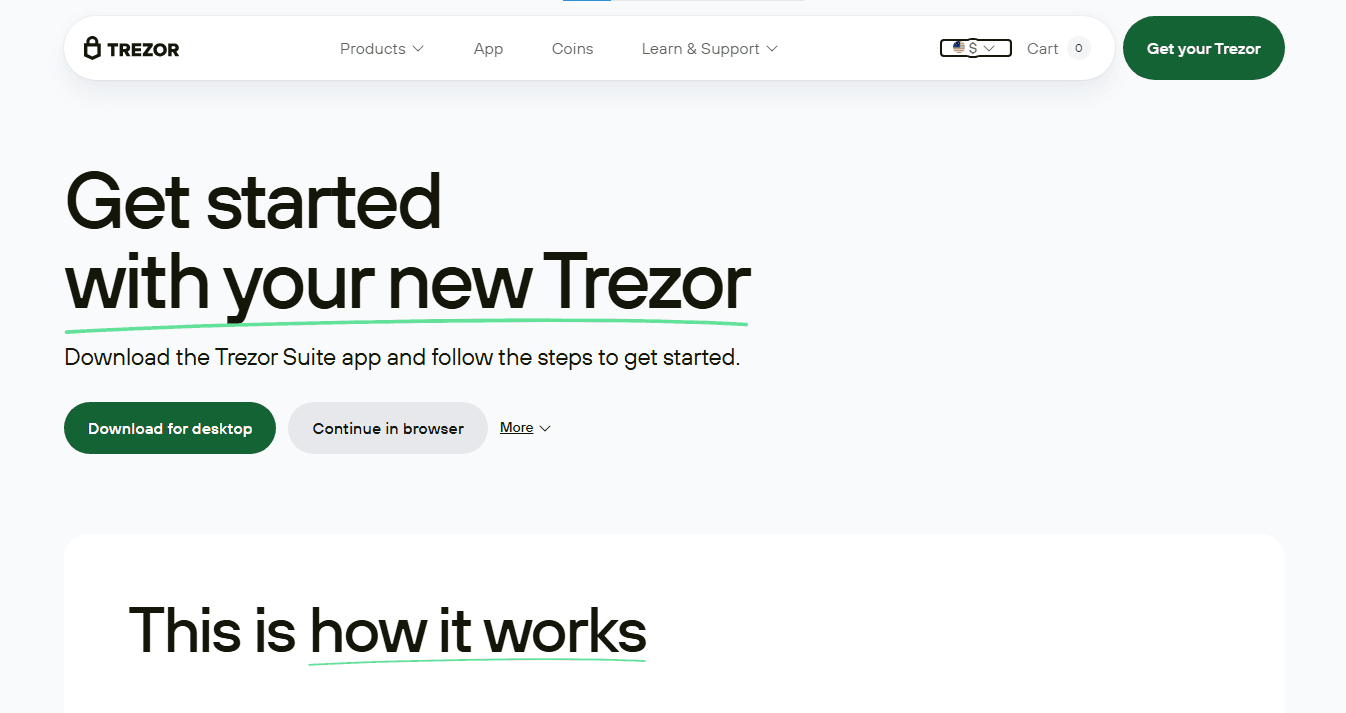
Start Your Crypto Journey with Trezor
Welcome to Trezor.io/start, the official guide to safely beginning your journey with a Trezor hardware wallet. Trezor devices are designed to secure your cryptocurrency by keeping your private keys offline while providing a simple and intuitive interface for managing digital assets.
Whether you are new to cryptocurrency or already familiar with blockchain technology, this guide will walk you through every step—from unboxing your Trezor to sending, receiving, and protecting your crypto. By the end, you will have the knowledge to confidently manage your funds while maintaining top-level security.
What is a Trezor Hardware Wallet?
A Trezor hardware wallet is a small, physical device that stores your private keys offline. Private keys are the critical codes that allow you to access and manage your cryptocurrency. Keeping them offline protects your funds from hacks, malware, or phishing attacks that can target online wallets or exchanges.
Unlike software wallets, which store keys on computers or smartphones, Trezor ensures your keys never leave the device. Transactions are signed directly on the hardware, so your funds remain secure even if your computer is compromised.
Trezor supports hundreds of cryptocurrencies, including Bitcoin, Ethereum, and thousands of tokens, and works in tandem with Trezor Suite, the official management software.
Why Security Matters in Cryptocurrency
Cryptocurrency operates without a central authority—meaning you are solely responsible for your funds. Unlike traditional banks, there is no one to reverse transactions or recover lost wallets. This makes protecting your private keys and recovery seed essential.
Key aspects of crypto security include:
Private Key Protection: Never share your private keys with anyone.
Recovery Seed Safety: The recovery seed is your backup. If it is lost or stolen, access to your wallet can be permanently lost.
Device Verification: Ensure your Trezor device is genuine and purchased from authorized sources.
Phishing Awareness: Trezor will never ask for your PIN or recovery seed outside of the device itself.
Good security practices combined with a Trezor device provide one of the safest ways to manage cryptocurrency.
Trezor Suite – Your Wallet Management Tool
Trezor Suite is the official desktop and mobile application for managing your crypto safely. It allows you to:
View balances across multiple accounts
Send and receive cryptocurrency
Install apps for supported coins
Update device firmware securely
Verify and confirm transactions directly on your device
Trezor Suite connects to the internet to broadcast transactions and check balances, but your private keys remain securely stored on the Trezor device. Always download Trezor Suite from official sources to avoid scams or malicious software.
Setting Up Your Trezor Device
Getting started with Trezor involves a few crucial steps:
Connect the Device: Use the provided USB cable to connect your Trezor to a computer or mobile device.
Set a PIN Code: Choose a PIN that is memorable for you but hard for others to guess. This prevents unauthorized access to your device.
Generate a Recovery Seed: Trezor provides a list of 12, 18, or 24 words that act as a backup. This recovery seed allows you to restore your wallet if the device is lost, stolen, or damaged.
Your recovery seed is the most critical piece of information for your wallet. Write it down on the provided card and store it securely offline. Never enter it into websites or share it digitally. Trezor will never ask for your seed outside of the device setup process.
Verifying Device Authenticity
Before using your Trezor device, ensure it is genuine. Trezor devices include security checks during setup to verify authenticity. Purchasing directly from authorized retailers reduces the risk of tampered products. If anything seems unusual, stop and consult official Trezor support.
Receiving and Sending Cryptocurrency
After setup, your Trezor device allows you to manage crypto:
Receiving: Share your public address or scan a QR code to receive funds. Only share your public address—never private keys or your recovery seed.
Sending: Enter the recipient address, amount, and fees in Trezor Suite, then confirm the transaction on your device.
Transaction Verification: All outgoing transactions must be confirmed on the device to prevent unauthorized transfers.
Always double-check addresses and amounts; blockchain transactions are irreversible.
Managing Multiple Cryptocurrencies
Trezor supports a wide range of coins and tokens:
Add accounts for different cryptocurrencies
Install apps for coins requiring additional support
Track balances and transaction histories in one interface
This flexibility allows users to manage diverse portfolios while keeping all private keys offline and secure.
Firmware Updates and Maintenance
Keeping your Trezor device and Trezor Suite up to date is essential:
Firmware Updates: Improve security and add new features. Updates must be confirmed on your device.
Trezor Suite Updates: Ensure software compatibility and enhance functionality.
Never ignore updates—outdated firmware can expose your device to vulnerabilities.
Backup and Recovery
Your recovery seed is the ultimate backup for your wallet:
Store the recovery seed securely offline.
Consider multiple secure storage locations.
Use it to restore access if your device is lost or damaged.
Proper management of the recovery seed ensures uninterrupted access to your crypto.
Advanced Security Features
Trezor devices include additional security measures:
PIN Protection: Prevents unauthorized access to the device.
Passphrase Support: Optional extra layer of security for hidden wallets.
Transaction Verification: Confirm transactions on the device to prevent fraud.
Device Authenticity Checks: Ensure your hardware is genuine during setup.
These features work together to provide comprehensive security for your cryptocurrency.
Practical Tips for Safe Usage
To make the most of your Trezor:
Take your time during setup and follow instructions carefully.
Confirm all transactions on the device screen.
Keep your recovery seed offline and private.
Backup your recovery seed securely.
Follow official guides for firmware and software updates.
By adopting these habits, you minimize risk and keep your crypto safe.
Learning and Support Resources
Trezor provides educational resources to help users:
Understand cryptocurrency basics
Learn how to use Trezor Suite and advanced features
Access official support for troubleshooting or guidance
Always rely on official Trezor resources rather than third-party advice, which may be inaccurate or unsafe.
Common Mistakes to Avoid
Even experienced users can make mistakes:
Storing recovery seeds digitally
Using unofficial apps or software
Sharing sensitive information with strangers
Skipping firmware or software updates
Being aware of these risks helps prevent loss or theft of crypto.
Your Responsibility as a Trezor User
Trezor provides powerful security tools, but ultimate responsibility lies with the user:
Keep your recovery seed safe and offline
Verify all transactions carefully
Maintain device security and follow best practices
Security is a habit, not just a feature of the wallet. Your diligence ensures your funds remain protected.
Getting Started Securely
Trezor.io/start is your first step toward safe crypto management. Take your time with setup, backup your recovery seed securely, and use Trezor Suite for daily management.
By combining hardware security with careful practices, you gain full control over your digital assets and can confidently explore the world of cryptocurrency.