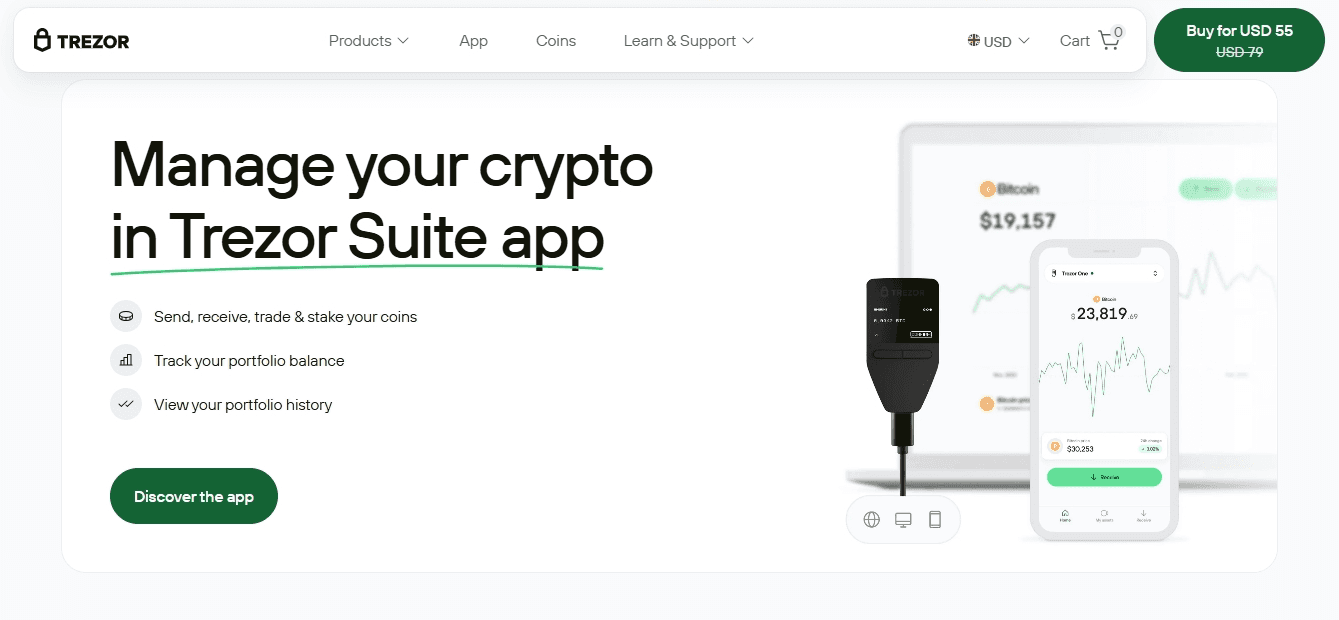
Get Started with Your Trezor Wallet
Welcome to Trezor Start, your official guide to setting up and securing your Trezor hardware wallet. Whether you’re new to cryptocurrency or an experienced user, Trezor ensures your digital assets remain safe, private, and fully under your control.
This guide will take you through the entire process: from setup and security to managing crypto accounts and understanding best practices for self-custody.
Why Trezor Matters for Your Crypto Security
Trezor is a hardware wallet, designed to store your private keys offline. Unlike software wallets or exchanges, your keys remain on the device, minimizing exposure to hacking, malware, or phishing attacks.
Benefits of using Trezor include:
Full ownership of private keys
Physical confirmation for transactions
Protection against online threats
With Trezor, you are in complete control of your crypto.
Before You Begin
To ensure a smooth setup, prepare the following:
A genuine Trezor device purchased from trezor.io or an authorized reseller
A computer or smartphone with internet access
A quiet, private space to set up your wallet
A secure location for your recovery seed
⚠️ Security Reminder: Trezor will never ask for your recovery seed. Requests for it outside the device are scams.
Step 1: Install Trezor Suite
Trezor Suite is the official software for managing your Trezor wallet. It’s available for desktop and mobile devices.
Features of Trezor Suite:
Set up your wallet and initialize your device
Manage multiple cryptocurrency accounts
Track balances and transaction history
Send and receive crypto securely
Update firmware on your Trezor device
✅ Always download Trezor Suite from the official Trezor website.
Step 2: Initialize Your Trezor Device
When you connect your Trezor for the first time, you will be guided through initialization. Options include:
Create a new wallet: Generate a new wallet and recovery seed
Recover wallet: Restore access using a previously saved recovery seed
During setup, you will:
Set a PIN code
Generate or confirm your recovery seed
Verify your recovery seed
This ensures your wallet is secure and recoverable.
Step 3: Set a Strong PIN Code
The PIN code protects your device from unauthorized access.
Best practices:
Avoid obvious sequences like
1234or0000Choose a PIN you can remember but is difficult to guess
Never share your PIN with anyone
Do not store it digitally
If the wrong PIN is entered too many times, your device will reset to protect your assets.
Step 4: Secure Your Recovery Seed
The recovery seed (or seed phrase) is a series of 12, 18, or 24 words generated by Trezor. This is the only backup of your wallet.
Why It’s Important:
Restores your wallet if your device is lost or damaged
Gives full control over your crypto
Must be kept private—anyone with access can steal your funds
Best Practices:
Write it down on the recovery card provided
Store it in a secure, offline location
Consider fireproof or waterproof storage solutions
Never store it digitally or online
⚠️ Losing your recovery seed means losing access to your crypto permanently.
Step 5: Verify Your Recovery Seed
Trezor will ask you to confirm your recovery seed by selecting the correct words in order. This step ensures your seed was recorded correctly.
Take your time and double-check every word. A single mistake can prevent recovery.
Step 6: Add Cryptocurrency Accounts
Once setup is complete, Trezor Suite allows you to add accounts for supported cryptocurrencies, including:
Bitcoin (BTC)
Ethereum (ETH)
Binance Coin (BNB)
Various tokens and stablecoins
Adding an account on Trezor Suite does not affect your funds. It allows you to manage that cryptocurrency securely.
Step 7: Sending and Receiving Crypto
Receiving Crypto:
Open the relevant account in Trezor Suite
Click Receive and verify the address on your Trezor device
Share the verified address with the sender
Sending Crypto:
Enter transaction details in Trezor Suite
Verify the recipient address and amount
Confirm the transaction on your Trezor device
Always verify addresses on the device screen, not just on your computer.
Step 8: Keeping Your Wallet Secure
Ongoing security practices are essential:
Keep your recovery seed offline and private
Never share your recovery seed
Regularly update Trezor Suite and device firmware
Only connect your Trezor to trusted devices
Be cautious of phishing attempts and fake websites
Trezor support will never ask for your recovery seed outside the device.
Step 9: Restore a Wallet
If your Trezor is lost, stolen, or replaced, you can restore your wallet:
Select Recover wallet on the device
Enter your recovery seed on the Trezor device
Set a new PIN
All accounts and balances will be restored once the process is complete.
Step 10: Understanding Self-Custody
Trezor enables self-custody, where you fully control your private keys. Benefits include:
Full ownership of your digital assets
Independence from exchanges or third parties
Responsibility for wallet security and backups
Self-custody ensures maximum control, but it requires careful security practices.
Common Mistakes to Avoid
Sharing your recovery seed or PIN
Storing recovery seed digitally or online
Using unofficial apps or software
Ignoring firmware updates
Trusting urgent messages claiming wallet issues
Being cautious and methodical prevents theft and loss.
Trezor Suite Features
Portfolio Management: Track balances, transaction history, and performance
Multi-Account Support: Manage multiple cryptocurrencies
Swap Integration: Exchange supported cryptocurrencies securely
Staking Support: Stake eligible cryptocurrencies and track rewards
Firmware Updates: Keep your device secure and up to date
These features make managing your crypto straightforward while maintaining security.
Advanced Security Tips
Use a passphrase for additional wallet protection
Maintain multiple offline backups of your recovery seed
Avoid public networks when transacting
Update Trezor Suite and firmware regularly
Always verify addresses on the Trezor device
Good security practices are key to safe crypto management.
Support and Learning Resources
Trezor provides multiple resources to help users:
Knowledge Base: Tutorials, FAQs, and security guides
Official Support: Step-by-step troubleshooting
Community Forums: Peer advice and discussion
Always use official Trezor channels for guidance and verification.
Why Trezor Is Trusted Worldwide
Millions of users rely on Trezor for secure crypto storage due to:
Hardware-backed private key protection
Offline storage of private keys
Support for thousands of cryptocurrencies
Transparent and reliable customer support
Trezor helps users maintain true self-custody safely and efficiently.
Best Practices for Ongoing Use
Regularly back up your recovery seed
Enable PIN and optional passphrase
Keep device firmware and Trezor Suite updated
Monitor transactions and account activity
Stay informed about phishing and security threats
Consistent security practices protect your digital assets over time.
Final Thoughts
Setting up your Trezor wallet is a critical first step toward full control of your crypto. By following this guide, securing your recovery seed, and practicing safe habits, you are laying the foundation for long-term security.
Remember: Your security starts with you. Trezor empowers you to manage, send, and receive cryptocurrencies safely while maintaining full control and self-custody.
You are now ready to explore the world of cryptocurrency confidently, with your Trezor wallet as a secure foundation.